











Skip to content

Research

Small footprint.
Expansive thinking.

Autonomous cooking, guided by
space design principles.

Scroll to explore
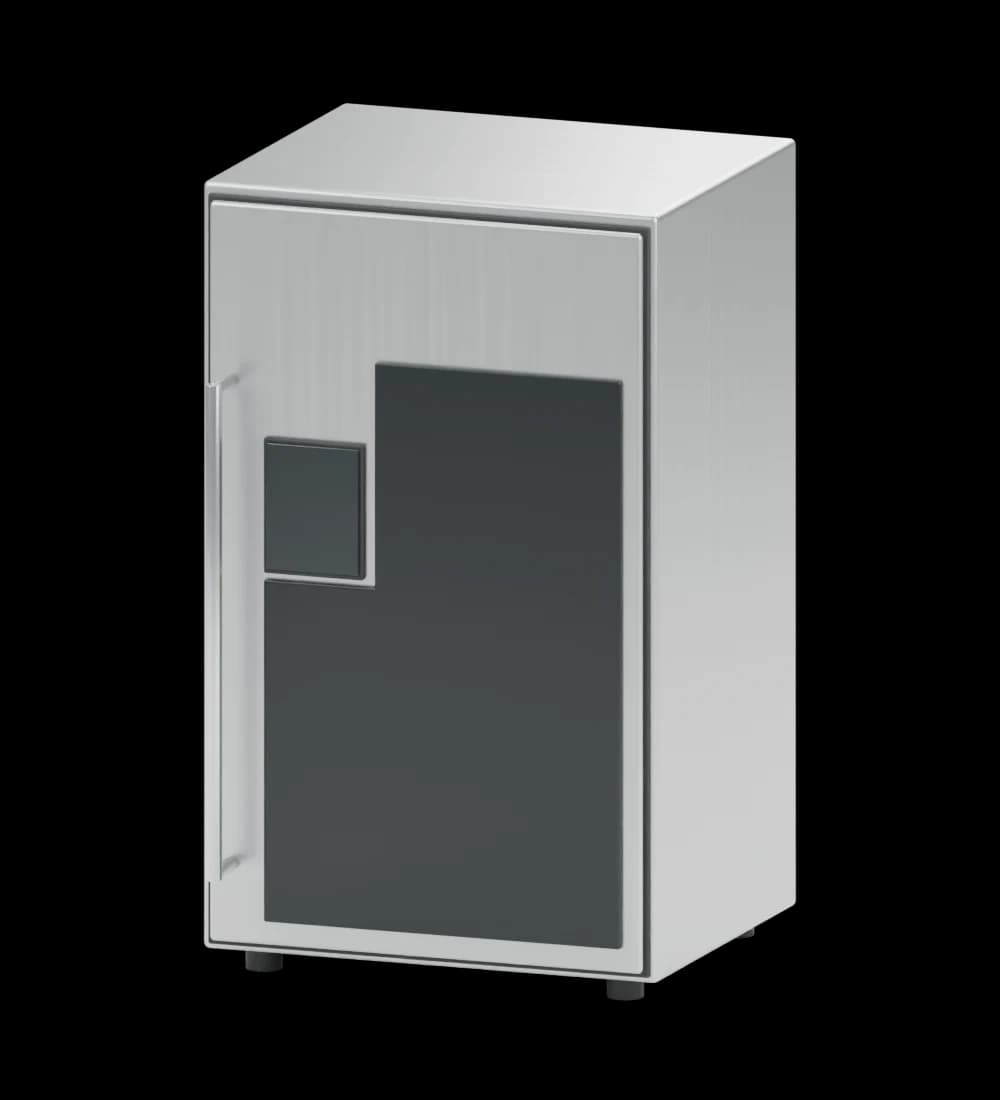
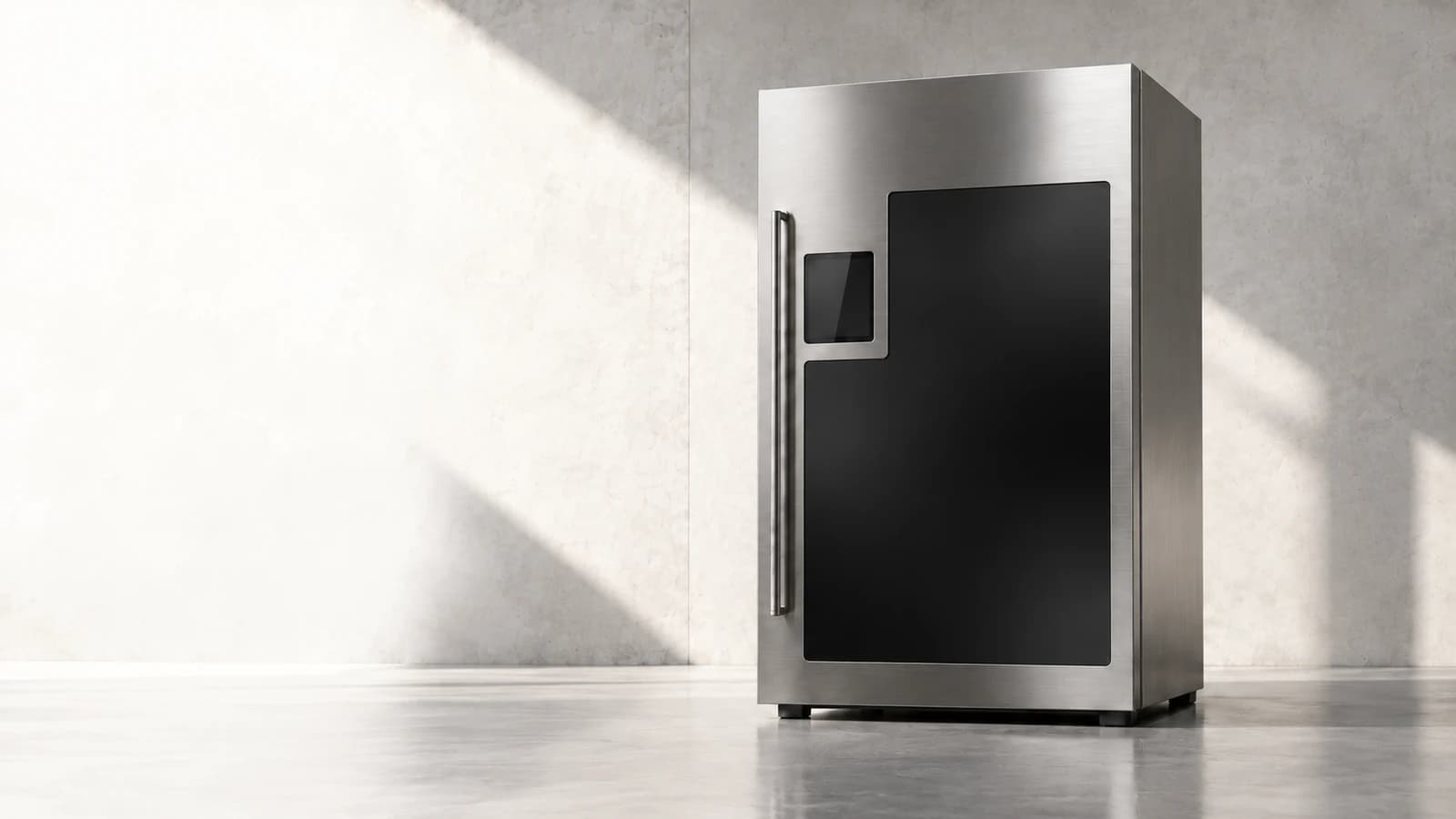
Visual recreation of the GI autonomous cooking machine, with stainless-steel cabinet, black front and touchscreen
Loading interactive view…
Visual recreation · Not a technical model

Designed around three principles

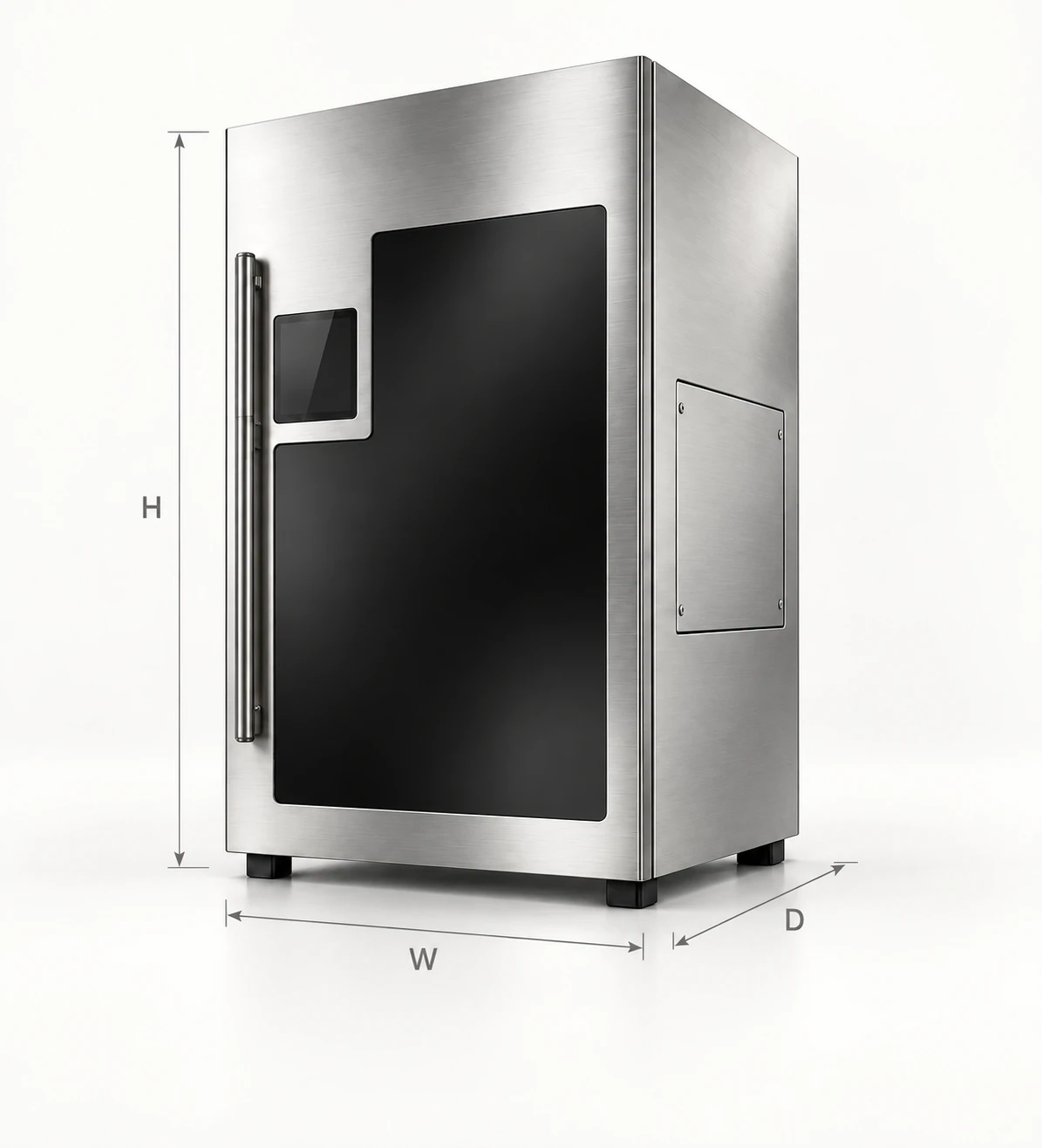
Stainless-steel cooking machine concept with height, width and depth guides; dimensions are not yet confirmed
Principle 01

Less to carry. More possibilities.

A compact, lightweight system designed around the constraints of transport, installation and life in confined spaces.

Our research brings cooking capability into a smaller footprint — from remote sites to future habitats.

01 / 03

One purpose. Different frontiers.

Earth first.
Space in focus.

We focus on systems that endure extreme environments on Earth. The knowledge gained shapes our research for space exploration: fresh ingredients from space farms, cooked into home-style meals in stations and habitats.

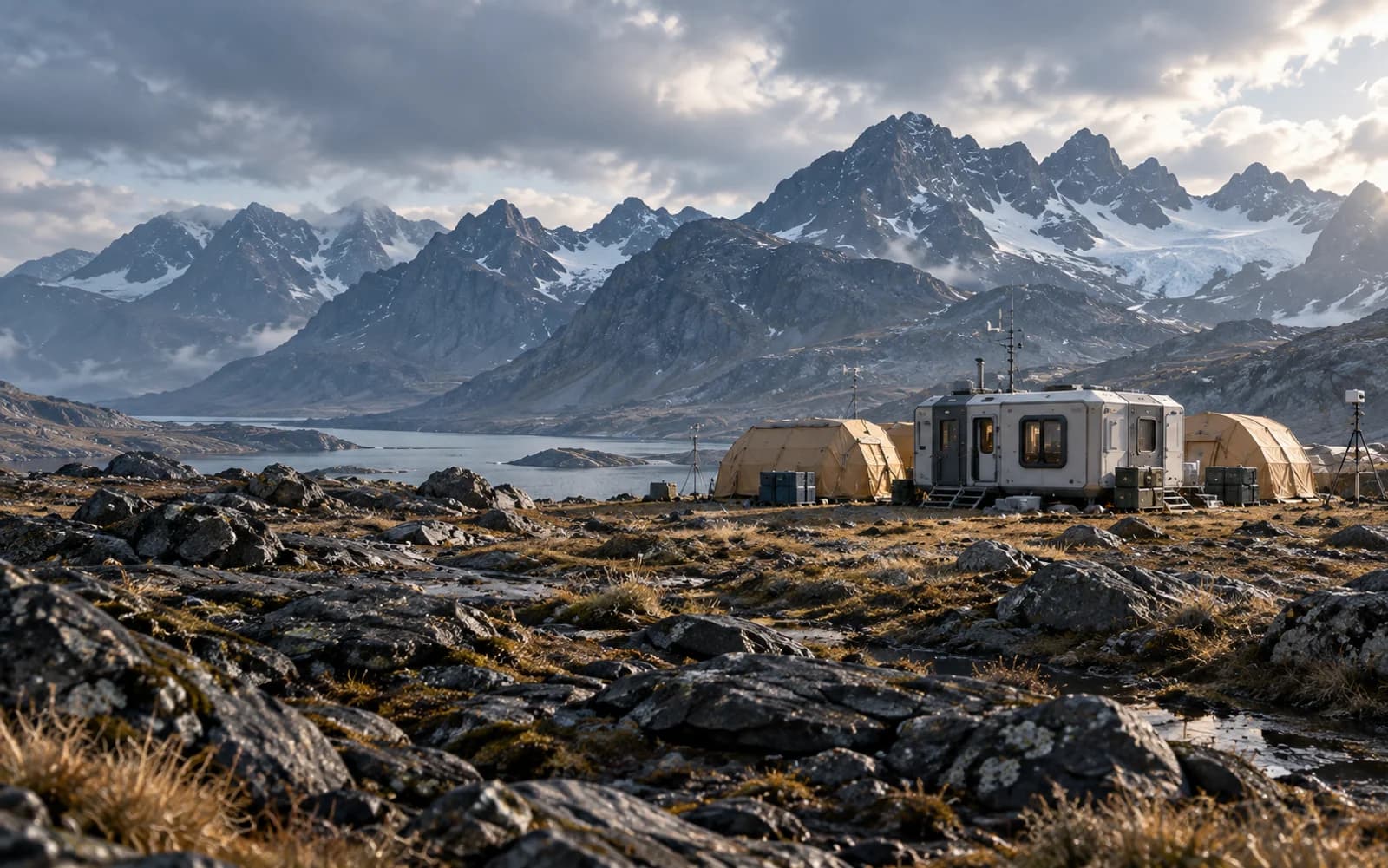
Concept of a remote research camp in a mountainous terrestrial environment
On EarthBuilt around real constraints.Remote environment · Concept imagery
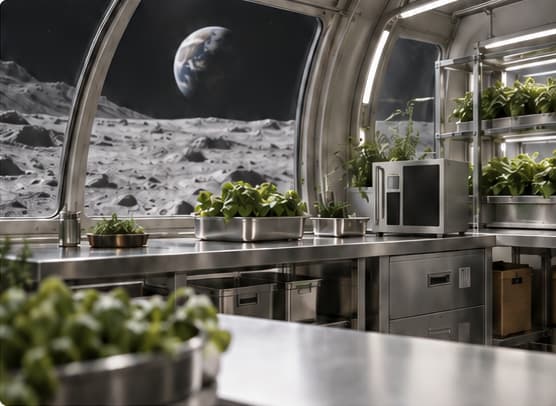
Lunar habitat concept with growing greens and our compact cooking machine on the worktop
In spaceGood food, further.Future habitat · Concept imagery
Explore the connection between two frontiers.Discuss our research

Supported by

People, programmes and organisations supporting our journey.

Ministry of DefenceDstlInnovate UKScience and Technology Facilities CouncilMicrosoft for StartupsNVIDIA InceptionUniversity of BristolHeriot-Watt UniversityUWE Bristol
Scroll to explore

Research notebook

Ideas for a more
sustainable tomorrow.

Perspectives on our design approach.
Not peer-reviewed papers or test results.

Cooking machine concept in a sunlit studio
Research perspective

Designing for less

How constraints guide the way we think about cooking systems.

Read perspective

Our starting point is a set of constraints: the space available, the resources a cooking process consumes and the practicalities of keeping a machine working. Compactness, resource use and longevity are connected design questions, not separate targets.

A smaller enclosure alone is not the answer. Transport, installation, access for cleaning and the ability to replace components all shape a useful footprint. Our research considers these together, with freshly cooked meals as the purpose of the system.

Illustrative remote research camp
Research perspective

Cooking at the edge

What challenging environments ask of an autonomous kitchen.

Read perspective

A kitchen in a remote setting has a different starting point from one with ready access to supplies and maintenance. Water, electricity, storage and technical support become important parts of the design brief.

Our terrestrial focus spans settings such as remote research, disaster response and other demanding environments. These contexts help frame the questions we explore: how to use available resources carefully, how to make maintenance practical and how to keep cooking systems useful over time.

Concept of a cooking and growing space in a lunar habitat
Research perspective

From Earth to future habitats

Connecting terrestrial engineering with a longer-term space vision.

Read perspective

Our space vision is simple: freshly grown ingredients from space farms, prepared as fresh meals inside a station or habitat. It connects the technical challenge of cooking with something familiar — the comfort and enjoyment of a home-style meal.

The knowledge gained from terrestrial systems shapes that research direction. Space brings its own constraints and validation requirements; a terrestrial prototype is not automatically space-qualified. The habitat imagery here illustrates that vision, rather than a deployed or certified space system.